
 angello
October 31, 2025
angello
October 31, 2025
Experience Kidepo Valley National Park
Kidepo Valley National Park: Uganda’s Ultimate Wilderness Experience
Kidepo Valley National Park is Uganda’s most remote and least explored national park, yet it is widely regarded as one of Africa’s most breathtaking wilderness areas. Located in the semi-arid valleys of Karamoja, the park borders South Sudan to the northwest and Kenya just 5km to the east, sitting approximately 700km from Kampala.
First gazetted as a national park in 1962, Kidepo is a true safari gem, boasting an incredible variety of big game, unique landscapes, and rich birdlife. It is home to over 77 mammal species and an impressive 476 bird species, making it a prime destination for wildlife lovers and adventure seekers.
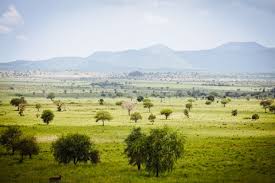
From Apoka, at the heart of the park, the vast golden savanna extends far beyond the protected area, framed by distant mountain ranges that dominate the horizon. The park’s two main rivers, Kidepo and Narus, dry up during the harsh dry season, leaving behind scattered pools that become lifelines for wildlife.
During the dry months, the Narus Valley is the park’s prime game-viewing area, offering a reliable water source that attracts large concentrations of:
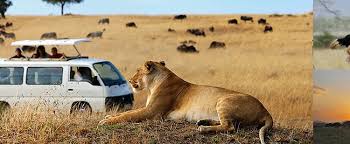
Lions – Often seen resting on rocky outcrops
Buffaloes – A thriving population of 10,000 to 15,000 individuals
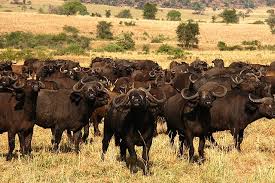
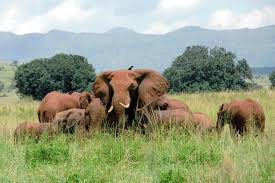
Elephants – Their numbers have surged from just 200 in the 1990s to between 650 and 1,000 today
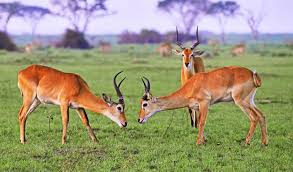
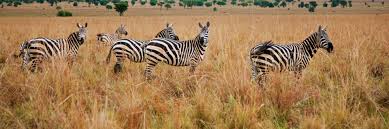
Zebras, hartebeests, and many more antelope species
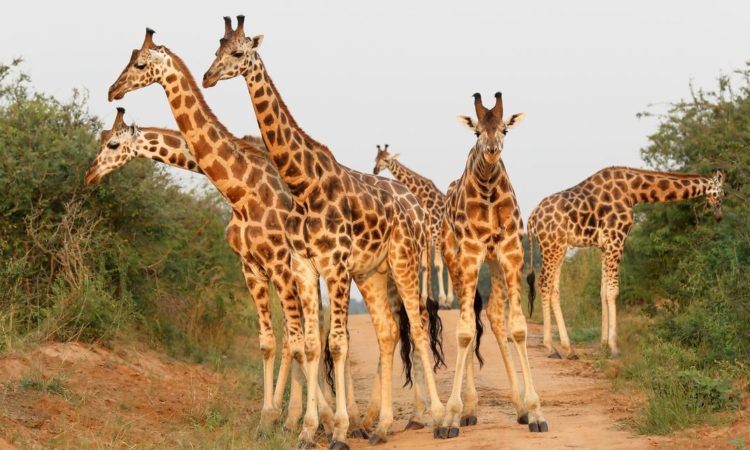
The park is also one of the best places to see Rothschild’s giraffes, with the population recovering from a mid-1990s bottleneck of just three individuals to over 50 today, thanks to breeding and successful translocation efforts.
With a bird checklist of over 476 species, Kidepo is a dream destination for birdwatchers, featuring several species not found in any other Ugandan park.
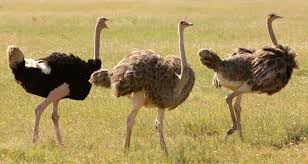
Ostriches – The only place in Uganda where they roam freely
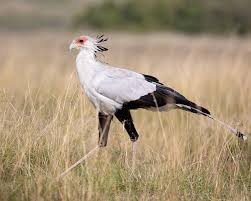
Secretary birds – Often seen striding across the open plains
Northern carmine bee-eaters & little green bee-eaters – Brightly colored and easily spotted
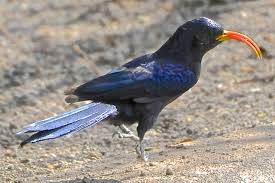
Abyssinian scimitarbill – A rare and beautiful species for birding enthusiasts
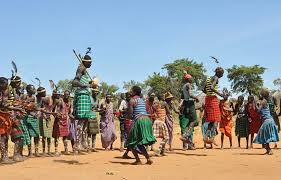
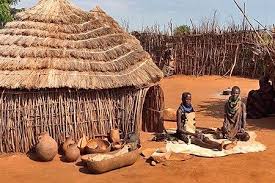
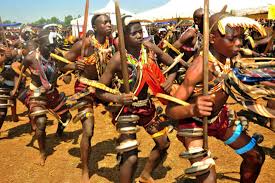
Beyond its natural wonders, Kidepo is home to two fascinating indigenous communities:
The Karamojong – A semi-nomadic pastoralist group, culturally similar to the Maasai of Kenya, known for their cattle-keeping traditions and warrior heritage.
The Ik people – A small, hunter-gatherer tribe living in the mountains bordering Kenya, whose traditional way of life is under threat.
Visitors can interact with these communities, gaining insight into their traditions, storytelling, and daily survival techniques in one of Africa’s most challenging environments.
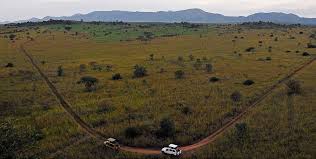
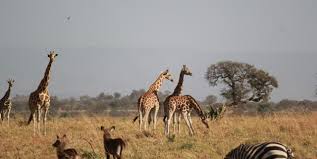
Uganda’s most scenic and untouched safari park Large numbers of lions, buffaloes, and elephants Home to Uganda’s only population of wild ostriches
Unparalleled birdwatching opportunities with over 476 species
Rich cultural encounters with the Karamojong and Ik people
A true African wilderness experience, away from the crowds
Though remote and isolated, those who make the journey to Kidepo Valley National Park are rewarded with one of the most spectacular wildlife experiences in Africa. For those seeking untamed adventure, incredible landscapes, and unique wildlife, Kidepo is the ultimate safari destination. Download park brochure hereKNVP PARK BROCHURE
GREEN PARKS
Uganda’s national parks and reserves exemplify environmental stewardship and climate-friendly practices, with all areas adhering to sustainable management principles that preserve biodiversity and natural habitats. We ensure that the natural landscapes remain pristine and resilient against climate change.
The best way to get to Kidepo Valley NP is by a scheduled or chartered flight.
It is also possible to drive to Kidepo. There are several routes. The most direct route, through Gulu to Lokumoit Gate, takes about 10 hours. The trip can be broken up with an overnight stop at Ziwa Rhino Sanctuary, Gulu or Kitgum. Two longer routes pass through the remote Karamoja subregion, arriving at Nataba Gate. Karamoja was subject to banditry in the past, but it has been considered safe for several years and is a growing center of community-based tourism focused on the small town of Moroto.
Flights between parks are usually scheduled by your tour operator. They will also arrange for your pick-up from the airport or your hotel in most cases. You will enter Uganda by way of Entebbe International Airport (EBB), which is near the town of Entebbe and 46km/29mi from Kampala, Uganda’s capital.
